
Phone Case Injection Molding: Design, Process & QC for OEM Buyers
BLUF: A reliable phone case injection molding program starts with a production-ready CAD brief, resin-specific process settings, and acceptance checks tied to the finished phone model—not a machine tonnage claim alone. OEM buyers should review draft, wall transitions, gates, cooling and ejection in DFM, then approve samples against fit, appearance, function and repeatability criteria before authorizing a production run.
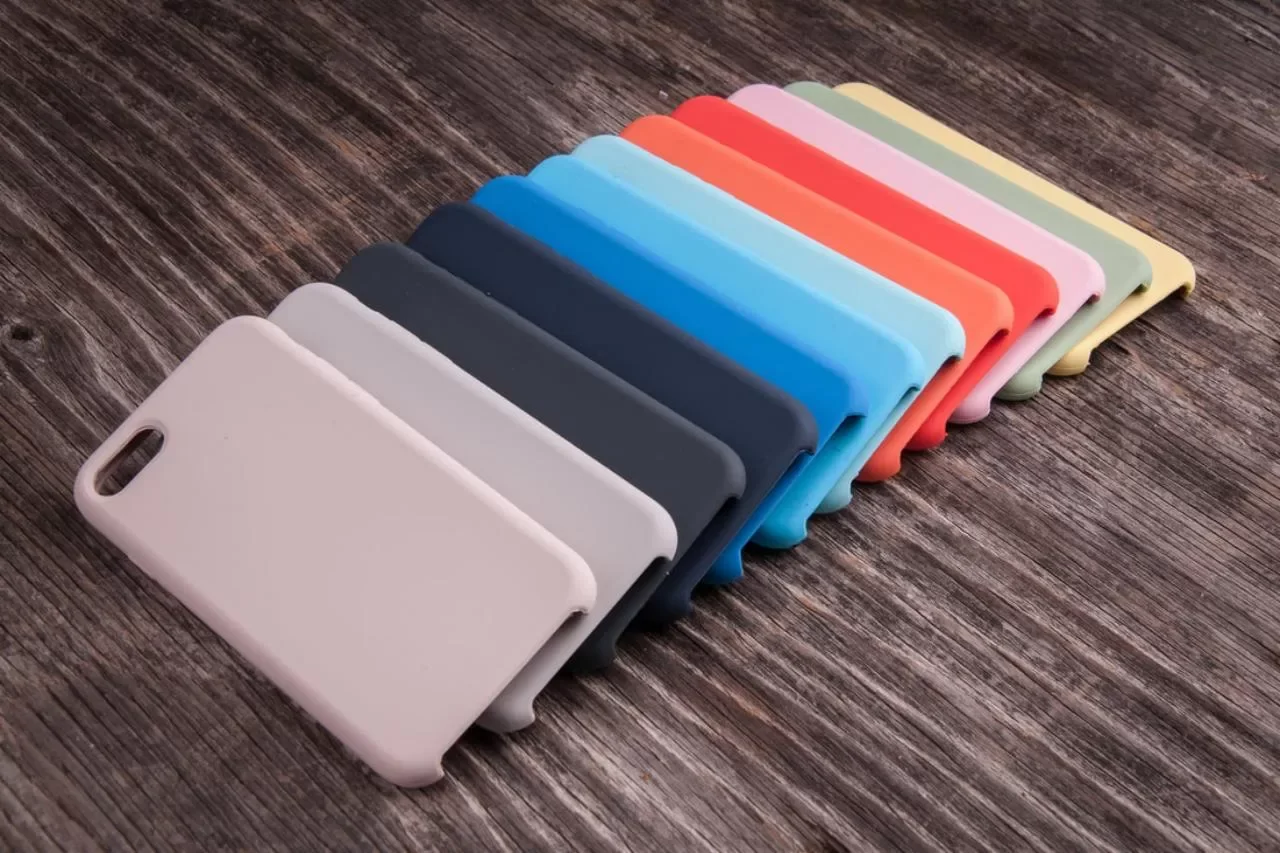
What the molding process needs to control
Injection molding heats a thermoplastic resin, delivers a measured shot into a closed mold, packs the cavity as the material cools, and ejects the formed part. A phone case adds tight fit and cosmetic expectations around camera openings, buttons, ports, corners and thin perimeter walls. A stable result therefore depends on the interaction among part geometry, resin grade and condition, tool design, machine settings, cooling and secondary decoration.
Ask a supplier to explain the process chain for the actual design: resin identification and preparation, molding, gate and runner removal, any printing or assembly, inspection, and packaging. A machine supplier may describe capabilities such as servo control, thermal management or robotic take-out; these are supplier-specific examples, not proof that a particular factory uses the equipment or achieves a guaranteed yield. For a buyer-facing process overview, CHAMPIONS’ OEM/ODM page outlines the information to discuss for a custom program.
Start with design for manufacturability (DFM)
Before tooling is released, review the 3D model and 2D drawing with the molder. Agree which surfaces are cosmetic, identify critical dimensions and mating features, and mark areas where the part must flex. Thin walls, abrupt thickness changes, deep ribs, closed-end bosses and poorly placed gates can complicate filling, cooling, ejection or appearance. A DFM review should return annotated geometry and open questions—not simply a verbal statement that the design is manufacturable.
Draft is a useful early discussion. Protolabs gives general starting guidance of 0.5° on vertical faces and 1°–2° for many situations, while noting that material, depth, texture and process capability change the requirement. Those figures are a source’s design guidance, not a universal phone-case specification. Textured surfaces can require more draft than polished faces; confirm the finish and ejection strategy with the selected toolmaker before freezing CAD.
For practical design decisions, use the following review matrix:
| Design area | Why it matters | Evidence to request at DFM/sample stage |
|---|---|---|
| Wall transitions and ribs | Uneven sections can cool and shrink differently, showing as sinks or distortion. | Annotated section review and sample inspection under agreed lighting. |
| Draft, texture and shutoffs | Insufficient release allowance can drag, mark or damage parts during ejection. | Draft callouts tied to finish, tool direction and release method. |
| Gate, weld lines and vents | Flow fronts and trapped air can affect appearance or local strength. | Gate/parting-line proposal and a review of visible or functional weld-line zones. |
| Camera, button and port interfaces | Small fit errors can obstruct controls or expose the device edge. | Fit check on the agreed phone model or dimensionally controlled master. |
Select the material and process as a matched system
Material choice is not just a hardness or price comparison. A rigid PC or PC/ABS structure, a flexible TPU perimeter, and a soft elastomer case place different demands on flow, shrink, release, surface appearance and assembly. A two-material concept may require overmolding or a separate assembly step; compatibility and adhesion need to be proven for the specific resin grades and geometry.
| Case concept | Buyer trade-off to discuss | Sample questions |
|---|---|---|
| Single-material rigid shell | Part stiffness and crisp geometry versus snap-fit stress and edge comfort. | Do clips assemble repeatedly without whitening, cracks or looseness? |
| Flexible TPU case | Flexibility and device installation versus dimensional recovery and surface feel. | Does the sample recover shape and retain fit after repeated installation? |
| Rigid back with flexible bumper | Material contrast and cushioning versus added tooling/process coordination. | How is the interface retained, and how will separation or mismatch be inspected? |
Do not accept generic temperature or drying numbers without the resin grade and its supplier data sheet. Record the material designation, colorant, lot, drying conditions where applicable, and the approved machine recipe. If decorative printing or coating follows molding, include adhesion and rub checks appropriate to the agreed finish. See the IMD phone case guide for decoration-specific questions.
Control defects with a repeatable sample-to-production plan
Common molding defects are symptoms with multiple possible causes. RJG’s troubleshooting guide describes sink marks in thicker sections, warpage related to uneven cooling or thickness, flash near the parting line, incomplete fills, weld lines and trapped-air marks. These are useful diagnostic categories, not a substitute for inspecting the actual part and process. Avoid changing several settings at once; ask the supplier to connect each corrective action to a recorded observation.
Before production approval, define the reference sample and inspection conditions. A signed “golden sample” should identify the device model, material/color, finish, logo artwork and revision. Agree how dimensions will be measured and how cosmetic defects will be viewed; align defect severity and sampling frequency in the purchase specification rather than assuming an unmentioned standard.
Practical OEM quality checklist
- Confirm the phone model and drawing revision; verify camera, button, speaker, charging and accessory clearances on a representative fit check.
- Inspect for short shots, flash, sink, warpage, flow marks, weld lines, burn marks, scratches and contamination using agreed lighting and visual limits.
- Measure critical datums and flexible interfaces against the approved drawing; record instrument, sample size and results.
- Cycle buttons and install/remove the case repeatedly to check function, retention and visible stress marks.
- For multi-material constructions, inspect the interface for gaps, movement or separation after the agreed handling checks.
- Verify color, texture, logo position, packaging and labels against approved artwork and a signed reference sample.
- Keep resin lot, process recipe, inspection record and any deviation approval traceable to the production batch.
What to include in an injection-molding RFQ
Send a 3D CAD file, 2D critical dimensions, target phone models, material preferences, finish and color references, logo/decoration requirements, estimated order mix and destination market. Ask the supplier to return a DFM review, proposed parting and gate approach, tooling ownership and maintenance terms, sample plan, inspection criteria, packaging scope and a written list of assumptions. Request a quotation that separates tooling, sampling, unit price and secondary operations so program trade-offs remain visible.
For mold construction and ownership questions, see the separate phone case mold manufacturer guide. For broader customization routes, review custom phone case options. The correct process and commercial terms depend on the approved design and buyer requirements; confirm project-specific MOQ, schedule and test scope directly before commitment.
Sources and scope notes
- Fictiv, Injection Molding Design Guide — general DFM and molded-part design reference.
- Protolabs, Draft Angle Guidelines — source-specific starting guidance; not a phone-case standard.
- RJG, Troubleshooting Common Injection-Molded Defects — defect categories and diagnostic examples.
- Topstar, Phone-Cover Molding Equipment Article — supplier perspective only; no claim is made about CHAMPIONS equipment or results.
Discuss your case design with CHAMPIONS
Share your phone models, CAD, material direction, decoration brief and target order mix with the CHAMPIONS OEM team to discuss a practical sample and quotation path. No test result, certification, MOQ or lead time is implied by this guide; confirm the requirements for your specific program during quotation.
Ready to Build Your Custom Phone Case Line?
Send your product type, target model, material, packaging request and estimated quantity. The CHAMPIONS team will review the project details and reply with the next steps.